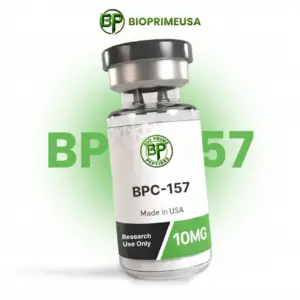
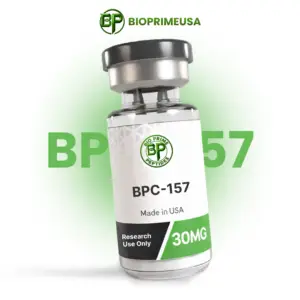
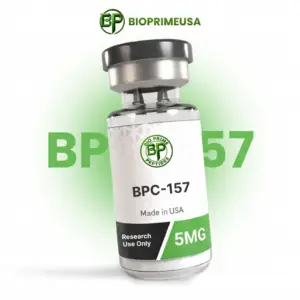
Peptide science continues to uncover compounds with unique biological signaling properties. One of the most studied research peptides in regenerative and cellular signaling investigations is BPC-157. Known for its stability and interaction with multiple molecular pathways, this peptide has become a focus in laboratory studies exploring tissue response, vascular biology, and cellular communication.
What Is BPC-157?
BPC-157 (Body Protection Compound-157) is a synthetic peptide fragment derived from a naturally occurring protective protein found in gastric juice. In research settings, it is examined for its stability in biological environments and its potential role in signaling pathways associated with tissue and vascular systems.
Chemical Type: Synthetic peptide fragment
Amino Acid Length: 15 amino acids
Primary Research Focus: Cellular signaling, vascular response, and tissue-related studies
Molecular Structure of BPC-157
BPC-157 consists of a short chain of 15 amino acids that contributes to its:
- Stability under various laboratory conditions
- Resistance to enzymatic breakdown in experimental models
- Ability to interact with multiple cellular signaling pathways
Its compact structure makes it particularly interesting for studies requiring peptides that remain active in complex biological environments.
Mechanism of Action (Research Perspective)
The exact mechanism of BPC-157 remains an active area of investigation. However, research suggests that it may influence several biological pathways simultaneously.
Observed Research Pathways
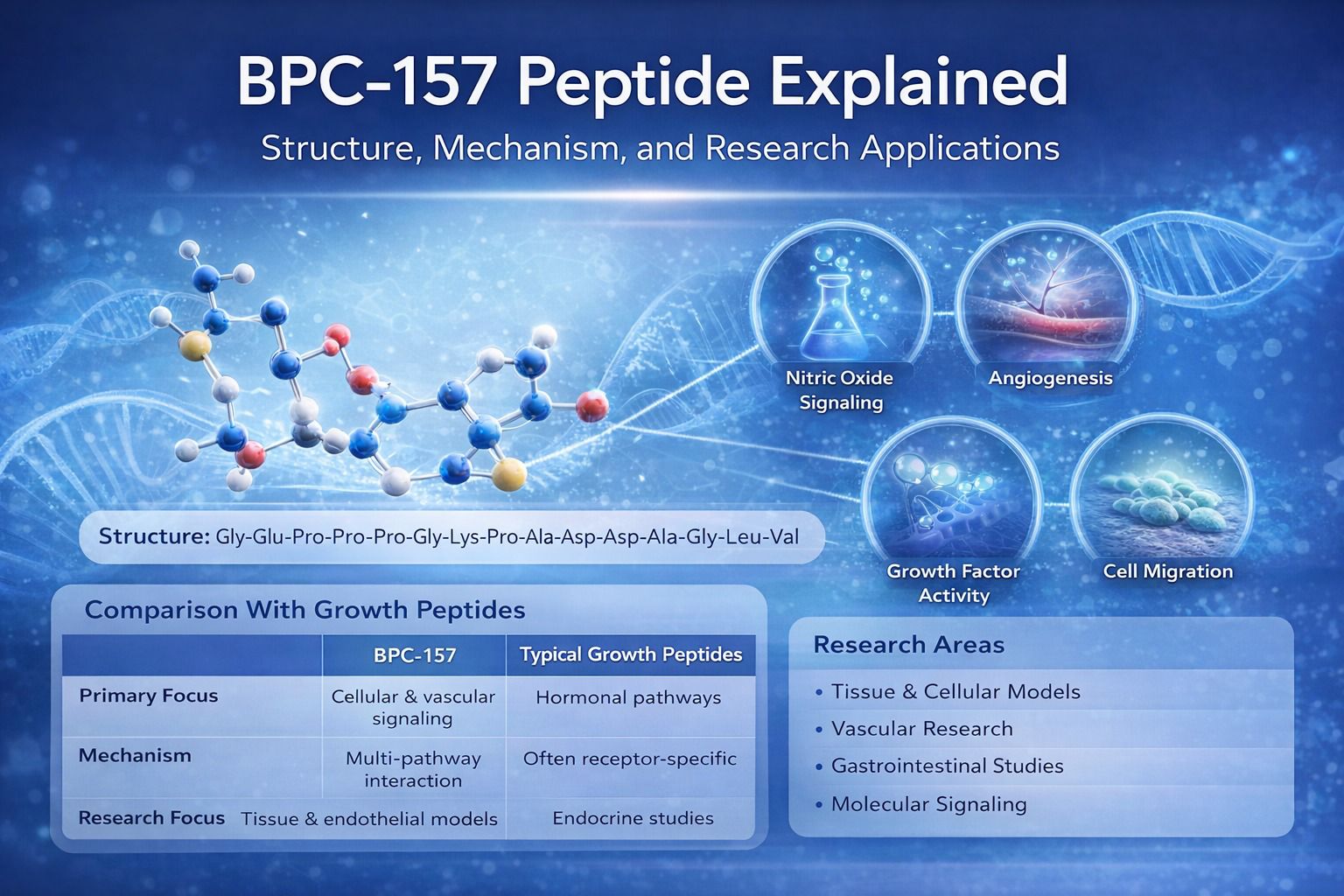
- Nitric Oxide (NO) Signaling – Studies explore its interaction with nitric oxide pathways linked to vascular and cellular signaling.
- Angiogenic Signaling – Laboratory findings suggest involvement in pathways associated with vascular formation and endothelial response.
- Growth Factor Modulation – Research models examine how BPC-157 may influence signaling molecules involved in tissue-related cellular activity.
- Cell Migration and Communication – Investigations focus on its role in cellular communication processes.
Because of these multi-pathway interactions, BPC-157 is often studied as a broad-spectrum signaling peptide.
Research Areas Involving BPC-157
BPC-157 is not approved as a therapeutic agent but is widely used in experimental settings to explore:
1. Tissue and Cellular Response Studies
Researchers investigate how signaling peptides influence cellular behavior in tissue models.
2. Vascular and Endothelial Research
BPC-157 is examined for its involvement in endothelial signaling and vascular biology research.
3. Gastrointestinal Research Models
Due to its origin from a gastric protein fragment, it is included in studies examining gastric and intestinal cellular pathways.
4. Molecular Signaling Research
Its interaction with nitric oxide and growth factor pathways makes it relevant in studies of intracellular communication.
Comparison With Other Research Peptides
Feature | BPC-157 | Typical Growth-Related Peptides |
Primary Focus | Cellular & vascular signaling | Hormonal pathways |
Stability | High in experimental models | Varies |
Mechanism | Multi-pathway interaction | Often receptor-specific |
Research Interest | Tissue & endothelial models | Endocrine studies |
This distinction places BPC-157 in a different category compared to hormone-focused peptides.
Stability and Laboratory Handling
As with other peptides used in research:
- Store under low-temperature conditions
- Avoid repeated freeze–thaw cycles
- Use sterile laboratory solvents for reconstitution
Proper handling ensures structural integrity for experimental use.
Current Research Status
BPC-157 remains a research-use-only compound. Ongoing studies continue to investigate:
- Molecular signaling interactions
- Vascular pathway activity
- Cellular communication mechanisms
- Comparative peptide pathway analysis
Its multi-system signaling potential keeps it relevant across several biological research disciplines.
Final Thoughts
BPC-157 stands out in peptide research due to its stability and interaction with multiple cellular pathways. Rather than targeting a single receptor system, it is studied for its broader signaling profile in vascular, tissue, and cellular communication models. As peptide research advances, compounds like BPC-157 help expand understanding of how small peptide fragments influence complex biological systems.
Disclaimer:
This product is intended strictly for laboratory research purposes. It is not approved for human or veterinary use and is not intended to diagnose, treat, cure, or prevent any disease.